Premium patient strategy — Authority Positioning Before any campaign was created, we mapped the premium patient personas in detail — who they were, what language they used, what made them trust a clinic enough to commit to £2,000–£30,000 of treatment. Every decision that followed was built on that foundation.
Tone of voice and copywriting — Exclusivity Cues We developed the complete brand voice and wrote everything — page-by-page website copy mapped to the patient decision journey, working closely with the developers on UX and UI to ensure the copy and the experience worked together, not separately.
Patient journey mapping and systems — Trust Architecture We mapped the complete patient journey from first awareness through to retention. CRM integration, automation frameworks, and nurturing sequences — built so that by launch day, every enquiry was captured, followed up, and guided toward a booking without anything falling through the cracks.
Social media and creative campaigns — built from zero Every social channel was built from scratch with a commercial purpose at every stage. But what set Dream Smiles apart was the creative work behind the campaigns.
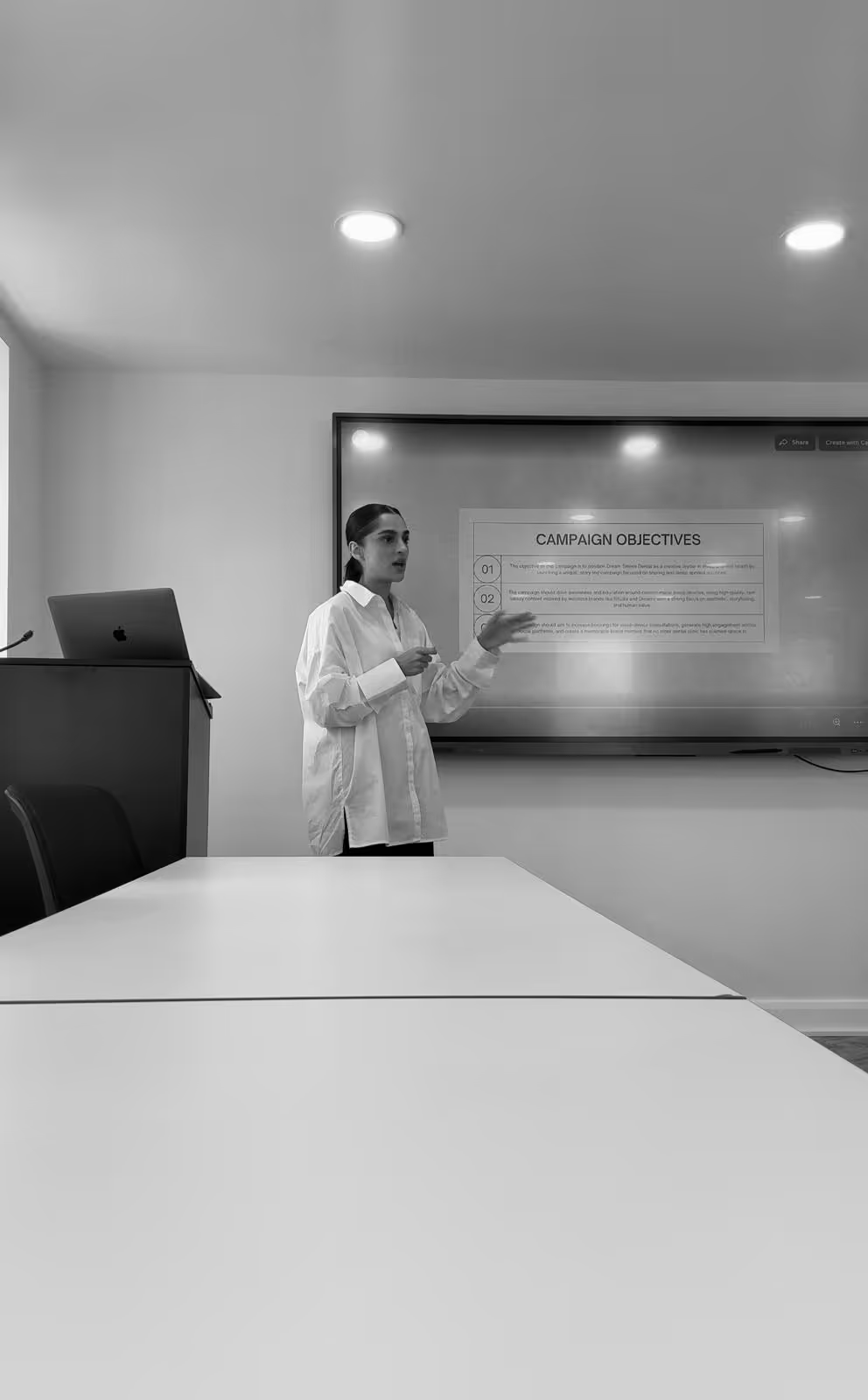
A dreamy CGI sleep campaign that stopped the scroll entirely. A Black Friday campaign — The Steal of the Year — that hijacked the Louvre robbery news cycle and turned it into a cinematic story about stolen smile makeovers. Every campaign was built around a concept, a narrative, and an execution that made people feel something.
This wasn't content. It was creative strategy that happened to live on social media.
Want the full creative brief decks? Just ask.
The Waitlist Method — diaries full before opening
Our launch strategy — now formalised as The Waitlist Method — was built around a single objective: a fully booked diary before the practice opened. We ran the complete pre-launch acquisition campaign including the paid ads, the creative strategy, and the physical campaign visuals outside the clinic itself. We built genuine anticipation, captured deposits, and filled the appointment book with new patient consultations before a single patient had walked through the door.
The practice opened not with empty chairs and nervous hope, but with a full diary of high-value patients booked in for treatments ranging from £2,000 to £30,000 — and an exceptionally high conversion rate, because the quality of lead coming through the door had been engineered from the very start.
Invisalign open days— rebranded, relaunched, and sold out
Invisalign open days are a staple in dentistry. Every practice runs one. Most look exactly the same — a discounted scan, a promotional poster, and a quiet waiting room.
We did something different.
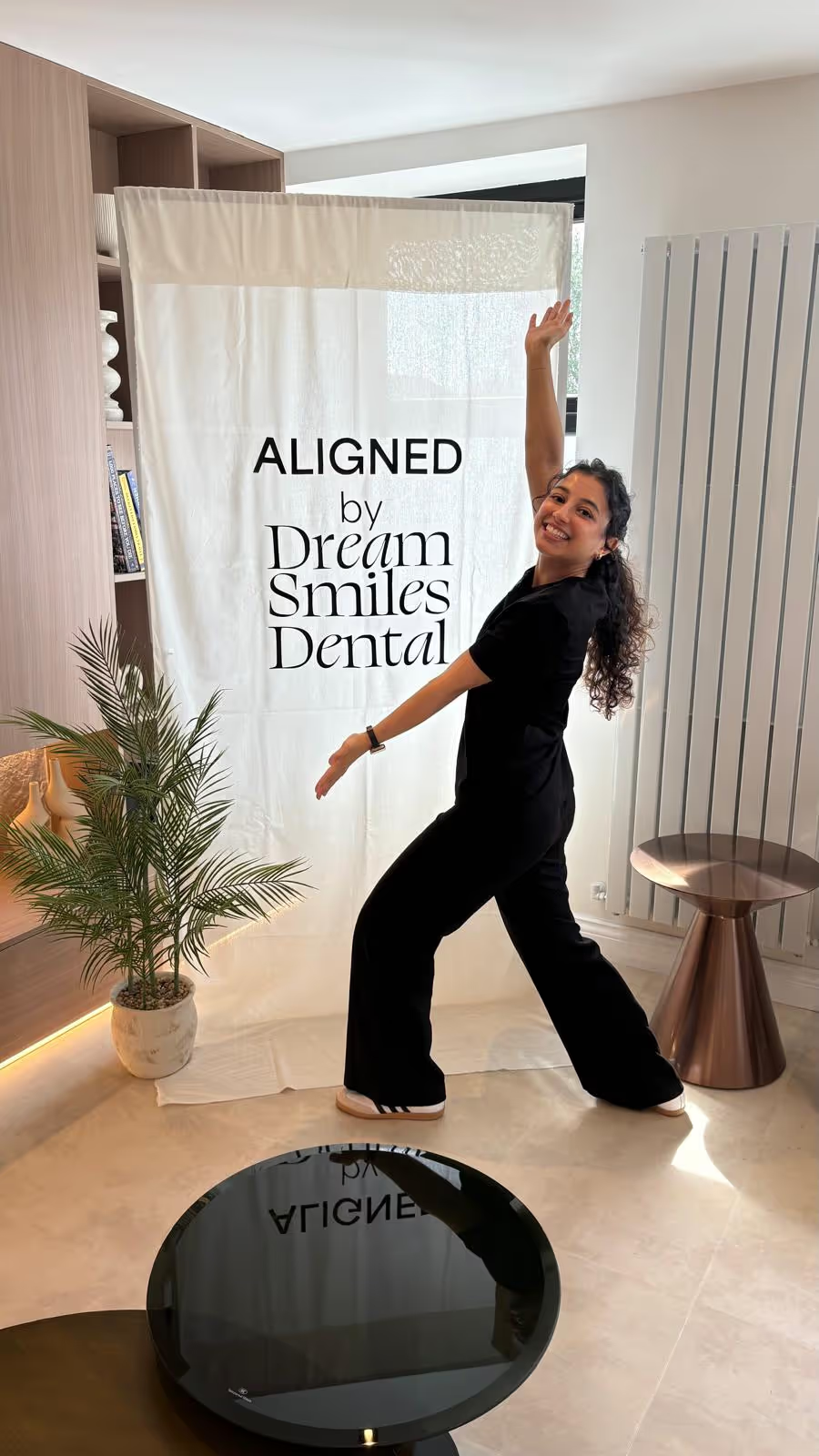
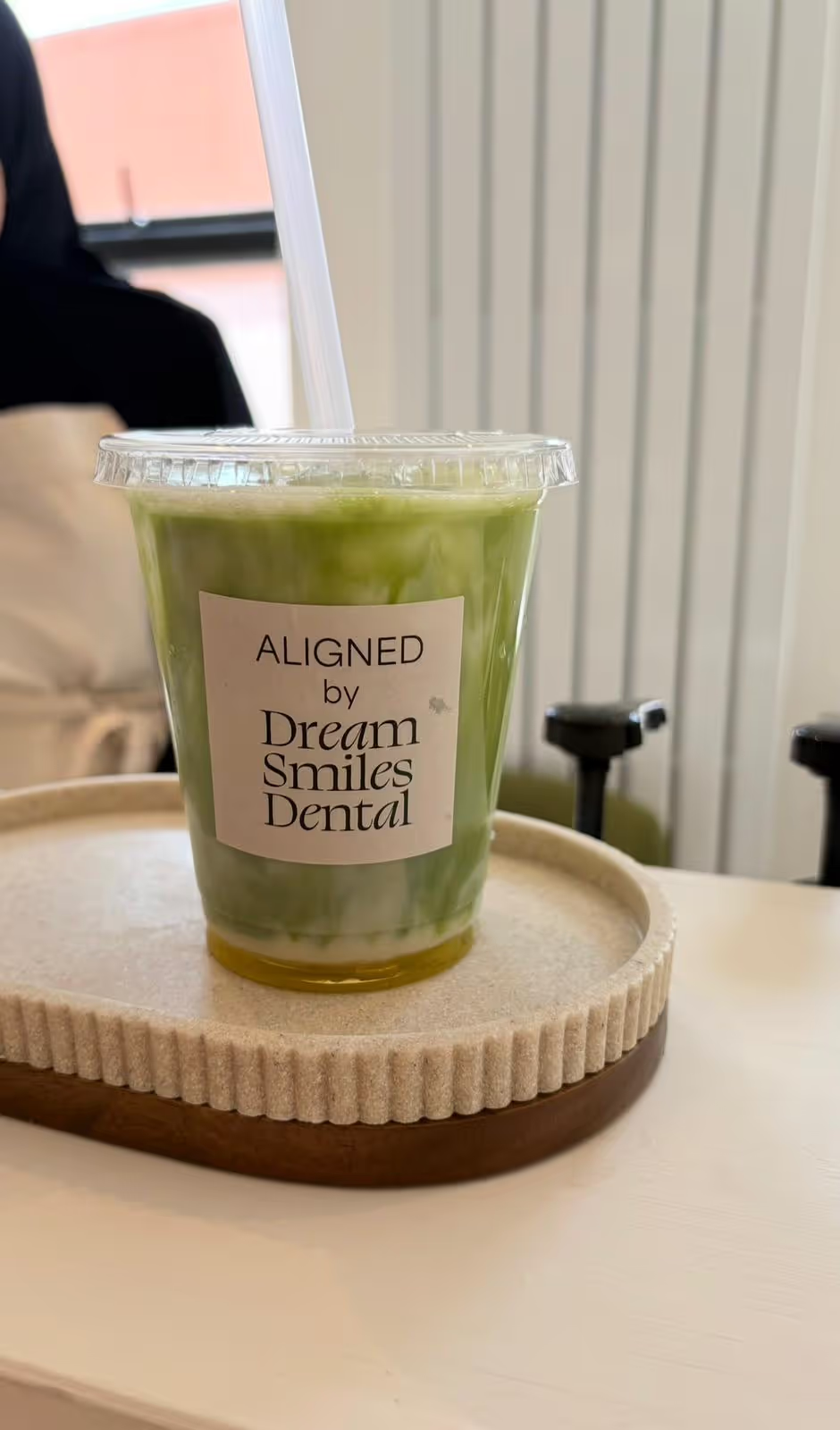
We took the concept and gave it its own identity entirely. Aligned by Dream Smiles Dental. Its own name, its own creative, its own narrative. Not a dental promotion dressed up — a genuine event that people actually wanted to attend. Branded cakes. Matcha. An atmosphere that felt exclusive and worth showing up for.
What was, in reality, an Invisalign consultation, a promotional offer, and an iTero scan — became a ticketed event with a waiting list. We created the kind of FOMO that most dental practices don't think is possible in their industry. People didn't want to miss out. They asked to be on the list. They told their friends.
The campaign sold out. The following year we ran it again across two days— bigger footprint, greater reach, even stronger results. A repeatable branded commercial event that generated significant treatment revenue while building the kind of community reputation that no ad campaign can buy.
The concept was entirely ours. The buzz was real.
Community and charity campaigns
We conceived and led a programme of charity and community campaigns that positioned Dream Smiles as a business genuinely embedded in its local area and community — not just a dental practice. These campaigns generated press coverage, organic word-of-mouth, and a depth of community trust that no paid advertising can replicate.
National award strategy
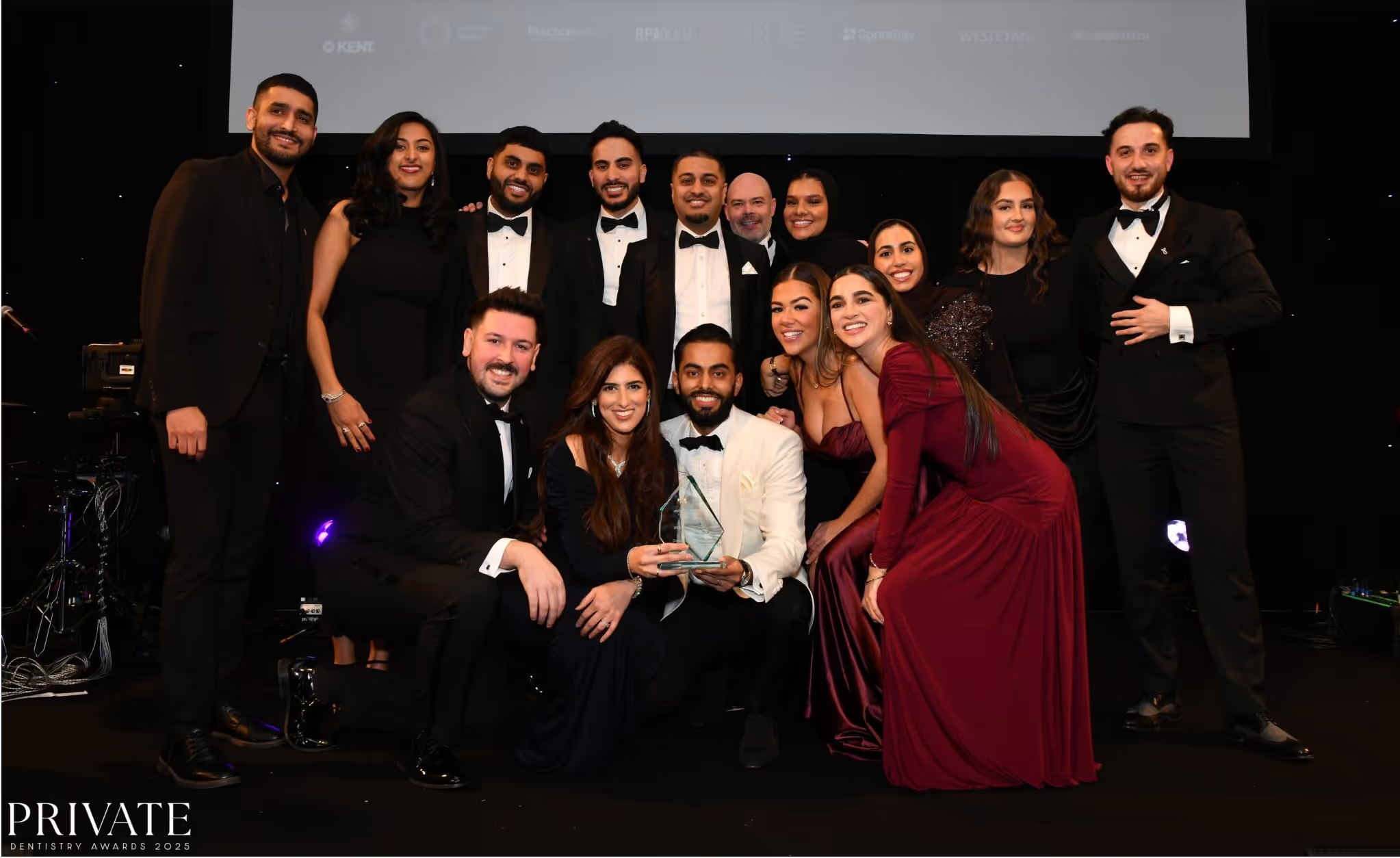
We led every aspect of the award entries — identifying the right categories, building the case studies, and writing the submissions to speak directly to the judging criteria. This was a deliberate positioning strategy, not an afterthought, and it delivered results on the biggest stage in UK dentistry.
.avif)

.avif)
.avif)
.avif)